
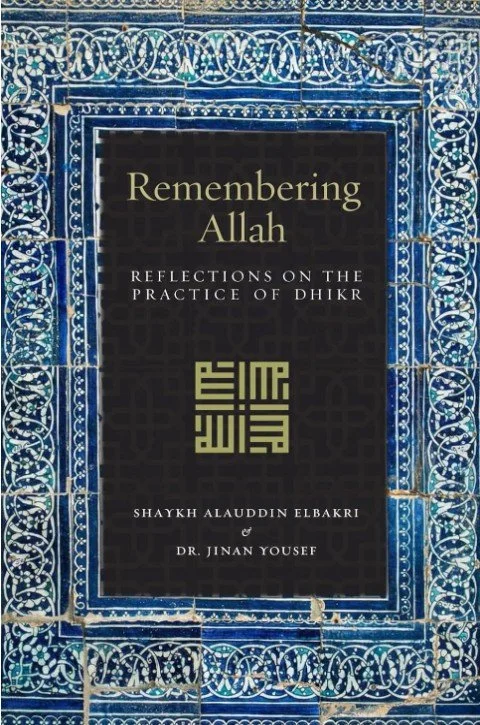
Remembering Allah
What is dhikr? Linguistically, it means to remember, to keep in mind, and to think of; it is the opposite of forgetting. Remembrance of Allah (dhikru-Allah) is, at a base level, being conscious of and ‘not forgetting’ Allah. It encompasses thinking well of Him, praising Him, and affirming His Oneness. And this requires intentionality on our part. One doesn’t just happen to be a man or woman who remembers Allah often, just like one does not happen to be a devout, truthful, or patient man or woman. It requires effort, and that effort can also then lead to these states becoming second nature, insha’Allah. Indeed, the Prophet (S) taught us that, “whoever remains patient, Allah will make him patient. Nobody can be given a blessing better and greater than patience.” Patience encompasses perseverance and requires effort from us. When that effort is for Allah, He helps us.
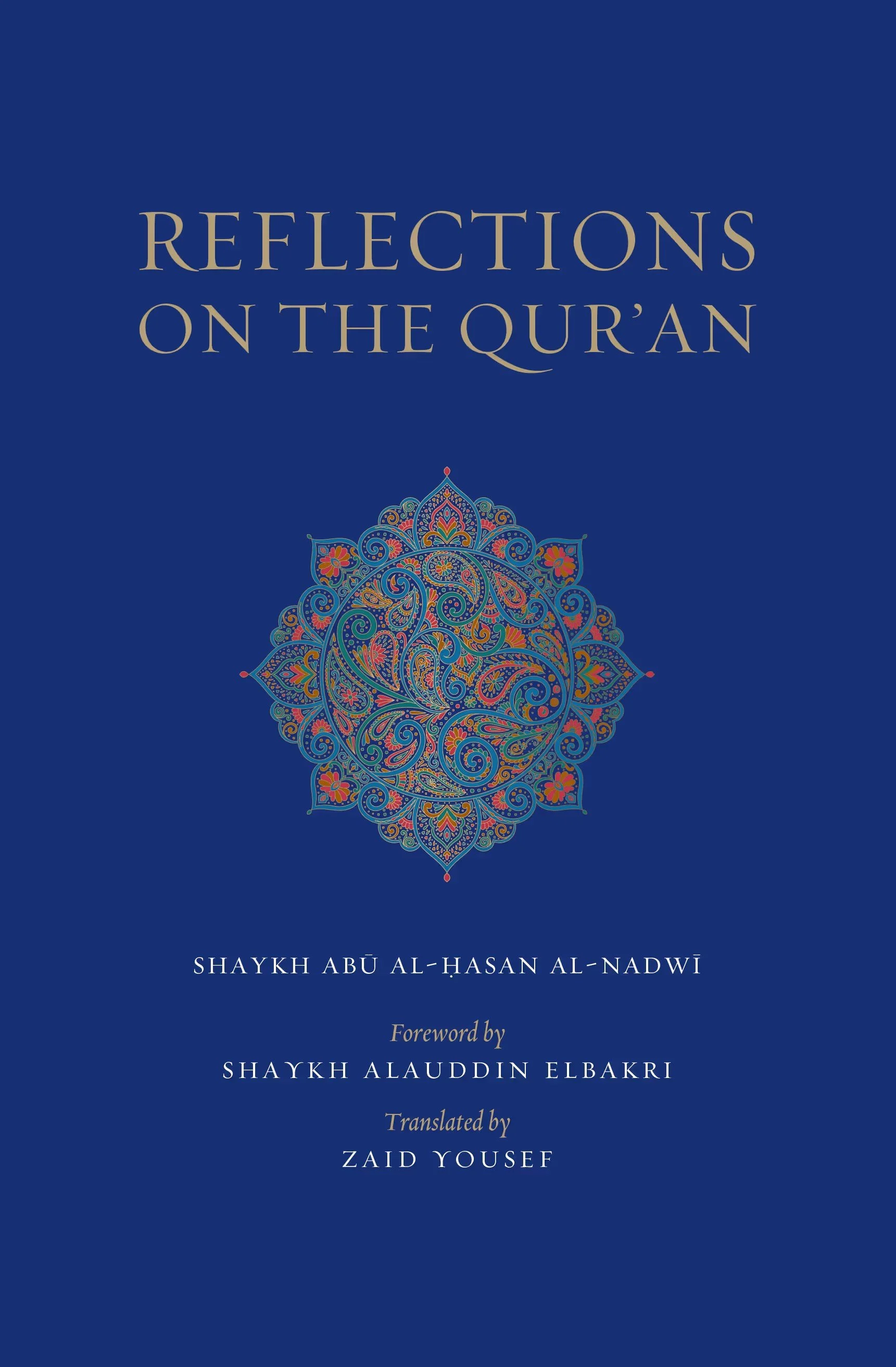
Reflections on the Quran
This text was originally written by Shaykh Abu Al-Hasan Al-Nadawi, a scholar who has written many books on the core values that the average Muslim can benefit from. For the first time ever, this book has been translated to English by our publishing house and overlooked as well as forwarded by Shaykh Elbakri. It is a rare opportunity to get the perspective of great scholars in English.
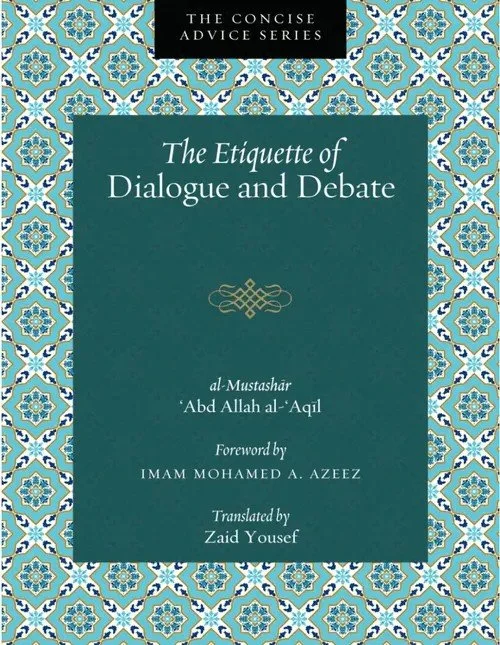
Translation of The Etiquette of Dialogue and Debate
In this book, The Etiquette of Dialogue and Debate, ʿAbd Allah al-ʿAqīl offers a brilliant expose of the Islamic manners of verbal exchange. He delves deep into the conditional legitimacy of debates and their place in the Islamic tradition, the manners of engaging in debates, the purpose of rhetorical conversations, the spirit that guides them, the dos and don’ts of debates, and the rights and responsibilities of those who engage in debates. The author seamlessly combines the Islamic sources from which his opinions on the matter are derived, with ancient and modern perspectives on the subject matter in a manner that makes the book both accessible and instructive.
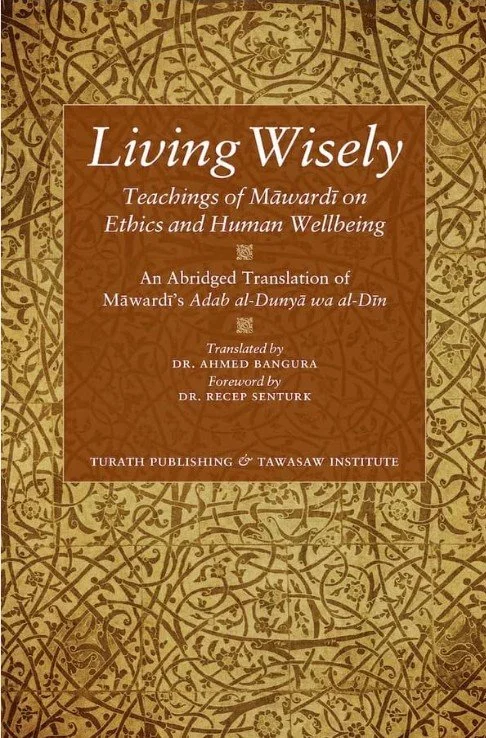
Living Wisely
In this book, I seek to provide a guide to the wisdom we need to attain felicity in the two domains (the spiritual and the worldly). I have taken the middle path between brevity and lengthy disquisitions. I have struck a balance between the meticulousness of scholarly discourse and the emotional refinement of literature. Nothing in it, therefore, is either too difficult to be understood nor too subtle to be visualized.